ADDICTION

What is addiction? — am I addicted?

If something has more of a grip on you than you’d like to admit, that’s worth looking at honestly. No shame here — just truth, and a way out.
THE BASICS

What is addiction really?

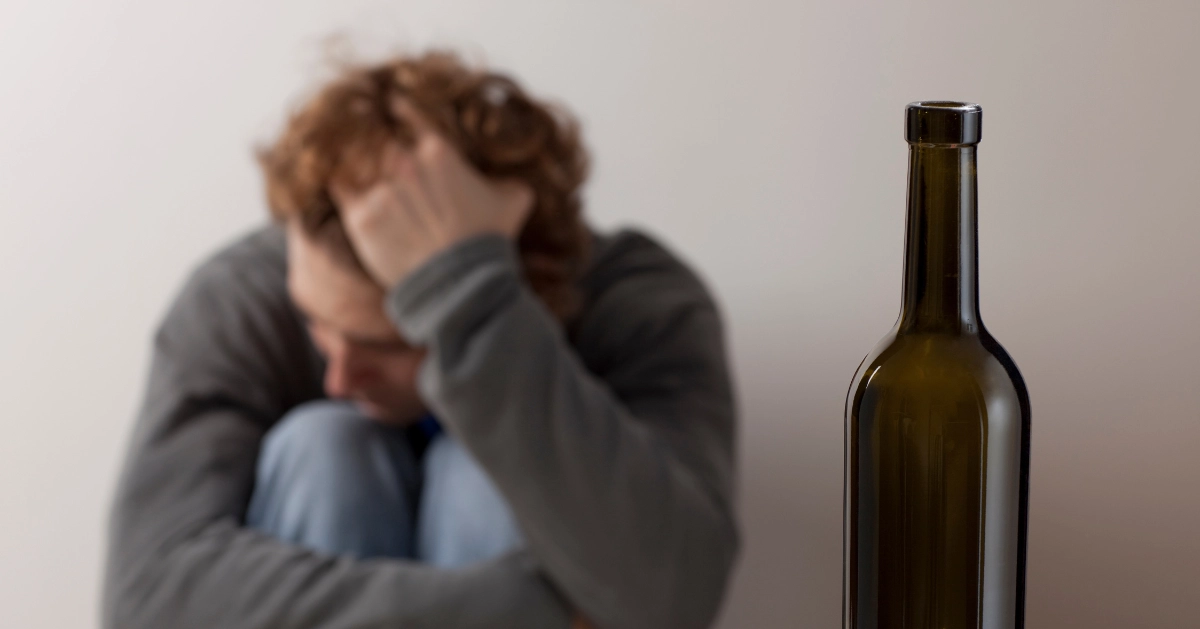
Addiction is when something — a substance or a behavior — stops being a choice and starts being a need. It’s a pattern of using something to feel okay, even when it’s causing harm, and even when you’ve told yourself you’d stop. The defining feature isn’t how much you use; it’s the loss of control — the sense that the thing has the steering wheel.

And addiction isn’t limited to drugs and alcohol. People can become addicted to all kinds of things — screens, gaming, food, gambling, pornography, even relationships — anything that reliably numbs pain or delivers a hit of relief. If that describes something in your life, you’re not weak or broken. Addiction is a powerful trap that countless capable, good-hearted people have fallen into. The encouraging news is that it’s also a trap people get out of.
What does addiction feel like?
Addiction often hides behind “I can stop whenever I want.” Some honest signs to look at:
Needing more of it over time to get the same effect
Thinking about it a lot — planning around it, looking forward to it
Continuing even though it’s hurting your relationships, health, or goals
Hiding it, lying about it, or feeling ashamed of it
Feeling anxious, irritable, or empty without it
Using it to cope with stress, pain, loneliness, or boredom
If several of these ring true, that’s not a reason to panic or hide — it’s a reason to reach out. Naming it honestly is itself a brave and powerful step.
Why does addiction happen?

Addiction is rarely about the substance or behavior itself. Underneath, it’s almost always about pain — something you’re trying to numb, escape, or fill. Stress, trauma, loneliness, anxiety, depression, low self-worth: these are the soil addiction grows in. The thing you’re hooked on started as a solution to a problem, which is exactly why willpower alone so often fails.

There’s biology in the mix too. Addictive things hijack the brain’s reward system, training it to crave the next hit and making it genuinely hard to stop. That’s not an excuse — it’s an explanation, and it matters, because it means recovery usually requires more than “trying harder.” It requires addressing the pain underneath and getting real support. That’s not weakness; that’s how lasting freedom actually happens.

Want to talk it through?
A Hope Coach is here right now - free, 24/7, no judgment
You're not alone in this

Addiction tells you that you’re uniquely broken, that no one would understand, and that you’re stuck forever. All three are lies. Millions of people have stood exactly where you are and found their way out — not by being stronger than you, but by stopping the fight alone and letting people in. Recovery is real, and it’s for you too

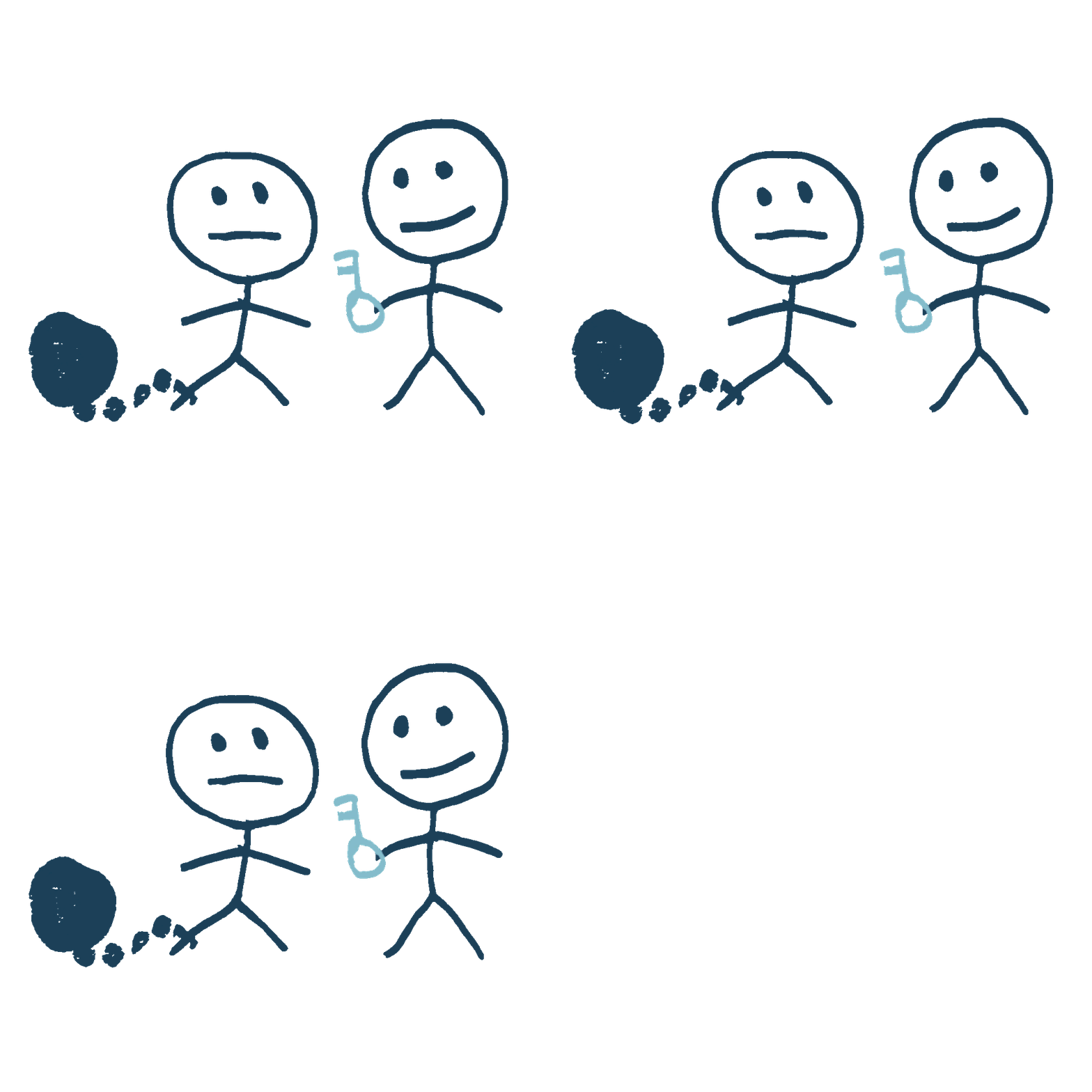
There’s also a freedom on offer that goes deeper than just breaking a habit. Jesus said, “If the Son sets you free, you will be free indeed” (John 8:36) — not free in the sense of suddenly having perfect willpower, but free at the level of the heart, where the real chains are. For countless people in recovery, faith has been the thing that gave them a power beyond their own and a hope worth getting sober for. You don’t have to clean yourself up first to reach toward that. Come as you are.

Whatever has its hold on you, you don’t have to break free alone. Reaching out is the first step, and you can take it right now.

FAQ

Frequently asked questions

These are some of the most common questions people have about addiction. If you have more questions, please feel free to reach out to a Hope Coach.
How do I know if I’m addicted or just have a bad habit?
The clearest sign is loss of control — you’ve tried to stop or cut back and couldn’t, or it continues despite real harm to your life. A habit is something you can take or leave; an addiction is something that increasingly takes you. If you’re unsure, that uncertainty is worth talking through with someone.
Is addiction a disease or a choice?
It’s a bit of both, and arguing over the label rarely helps. The first use is usually a choice, but addiction changes the brain in ways that make stopping genuinely hard — which is why people need support, not just shame. What matters most is that recovery is possible regardless of how it started.
What causes addiction?
Usually a combination: underlying pain (trauma, stress, loneliness, mental health struggles), the way addictive things rewire the brain’s reward system, and sometimes genetics and environment. It’s almost never just about the substance — which is why healing addresses what’s underneath, too.
Can you really recover from addiction?
Yes. People recover every day. It usually takes support — counseling, recovery programs, honest community, sometimes medical help — and it’s rarely a straight line. But freedom is absolutely possible, and you don’t have to do it on your own.
Can faith help with addiction recovery?
For many people it’s central. A lot of recovery is about finding strength and hope beyond yourself, and faith offers exactly that — plus a community and a sense of purpose worth staying sober for. A Hope Coach can talk through what that might look like for you, with zero pressure.

Take this with you.

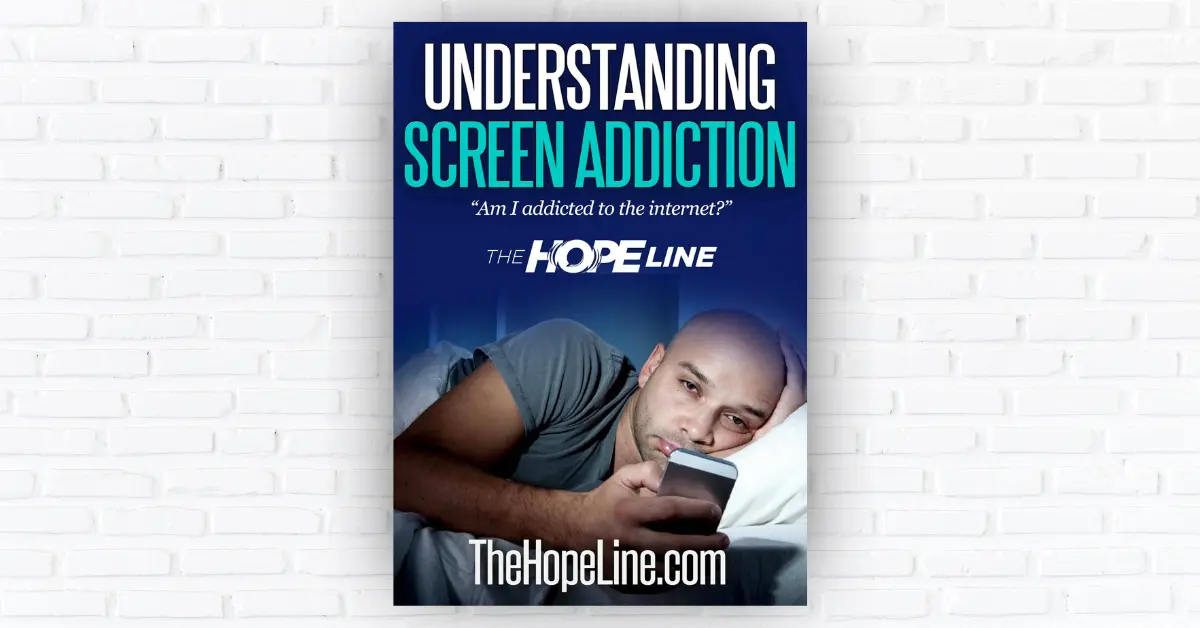
If something has more of a grip on you than you’d like, this free guide can help. Honest, hopeful, and packed with practical next steps toward real freedom.
RESOURCES FOR YOU

More to explore

Helpful articles, resources, guides, and related topics.

Tired of The Problem?

Try the Solution.

Privacy Policy / Terms of Use
© 2026 TheHopeLine, Inc. Registered 501(c)(3). EIN: 20-1198064