What if we lived life above the norm in EXTREME LOVE; not seeking revenge, not speaking badly of our enemies, and refusing to stay angry?
A good friend of our organization, Brooks Gibbs, wrote a book on bullying called, Love is Greater Than Hate. Gibbs was a victim of bullying as well as a bully himself and in his book, he discusses some alternative responses to bullies.
Here’s what he suggests, “The ones who hurt us need our love the most. In fact, I believe that this is the ultimate pathway to healing – to turn the hate that you feel towards someone into genuine love and care for them.” (page 29) In other words, what if we loved the bully?
Now you might read that and think this is crazy. You might be saying, “But Dawson, do you have any idea how it feels to be tormented to the point that you feel absolutely worthless. I can’t even love myself, let alone love a bully.”
First of all, if that is how you are feeling, I want you to know that I believe you are amazing! You are not worthless; you can make a difference in someone else’s life. I know this is asking a lot, but what if loving the bully worked? What if you had the power to change the cycle? Gibbs talks about how when we love the unlovable, lives are changed. It “reverses the cycle of hate, breaks the back of bullying, and launches us into a new cycle of life.” (page 32)
It is important to understand that a bully is often the victim of hate themselves and to feel better, they try to assert hateful power over someone else. That’s why YOU could be the start of a new cycle. You could choose to react with LOVE. Love that is a choice, an action of the will.
Like I said, I know it isn’t going to be easy to love the bully, so here are three steps that Gibbs suggests to help in the process.
1. Change your thought patterns. A normal thought pattern after someone hurts us is to begin thinking about them negatively, dwelling on it, magnifying it, and turning it into hateful thoughts. Rather, think of bullying as opportunities to learn to deal with difficult people (they are always present!), begin thinking of them as good and think kind thoughts toward them.
2. Change your actions. Choose not to participate in the drama. By doing so you demonstrate maturity, humility and respect which will totally disarm the bully. Pray for the bully, ask God to help you change your attitude about them.
3. Change your feelings. Feelings follow our thoughts; as you change your thoughts and choose to love, your feelings will follow. “Love will open your eyes. You will gain the ability to see past their masks of hate and see a heart full of hurt.” (page 44) Learning to forgive will also help change our feelings. I love Gibbs definition of forgiveness. Forgiveness is “releasing the person that did you wrong from the responsibility of fixing it.” (page 45). Forgiving someone sets us free from letting them hurt us over and over again as our mind dwells on how we were wronged. Gibbs says that unforgiveness re-victimizes upon every remembrance.
I have had a number of teens tell me recently about their own experiences of being bullied and how that has motivated them to start a bullying support group in their school. I’m proud of them for wanting to do something to make a difference. It is so important that people who are being bullied have a place to go that is safe and have others supporting them. My word of advice for starting a bullying support group would be that the group not become a revenge group or a place to spew hate about bullies, but rather a place to be “above the norm” and consider how to show love to bullies.
Hate is easy. Love takes courage! You can do it!
For more from Brooks Gibbs check out this video: Anti-Bullying Youth Speaker Brooks Gibbs
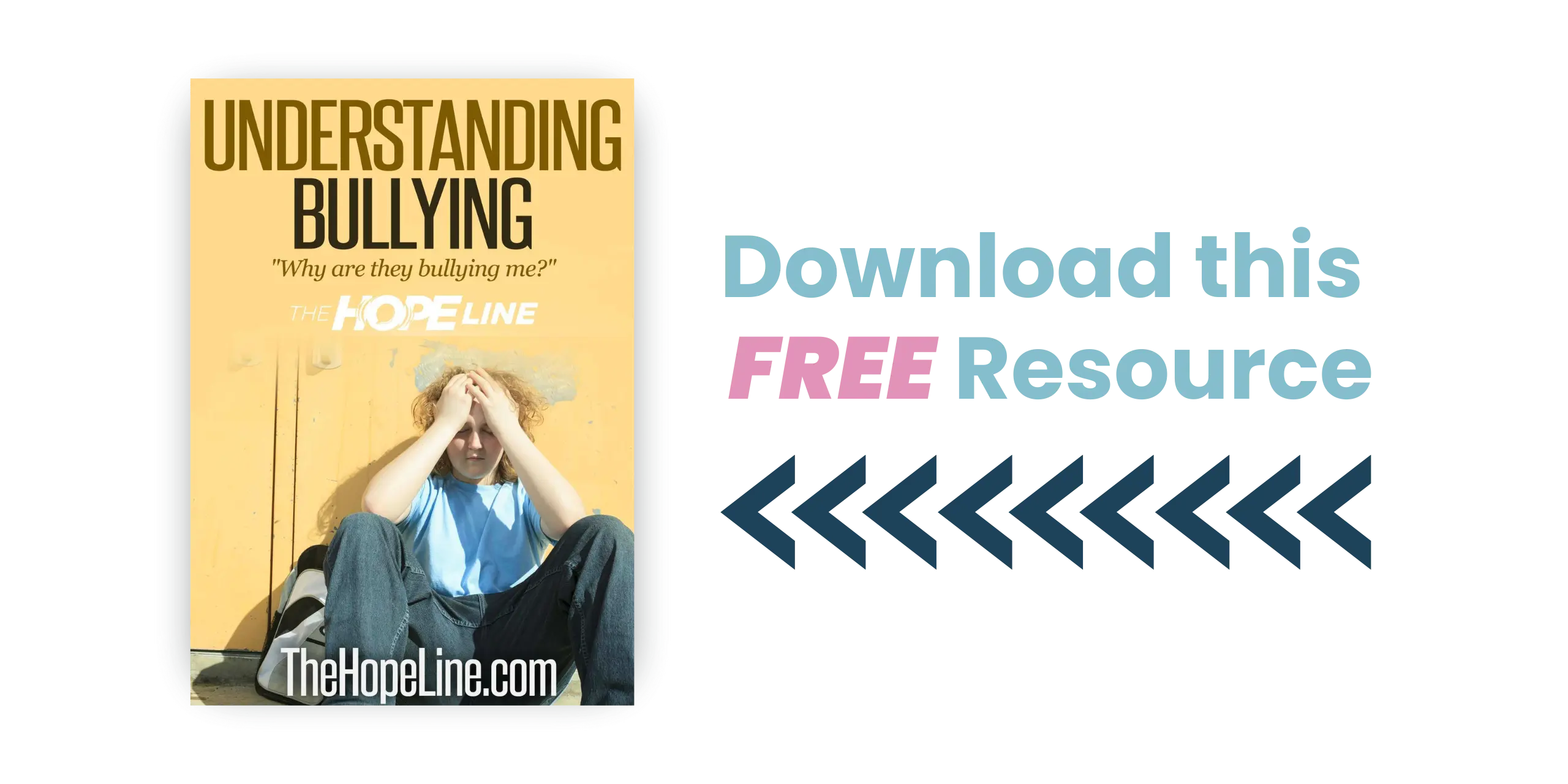
For more information on bullying, here’s a guide to understanding the types of bullying and cyberbullying and how to deal with it.