Why Is Life So Hard? Find Hope and Help at TheHopeLine
We Get it. Life Can Be Crazy, Difficult, Messy. It can be overwhelming, frustrating, disheartening, hard even downright wrong at…

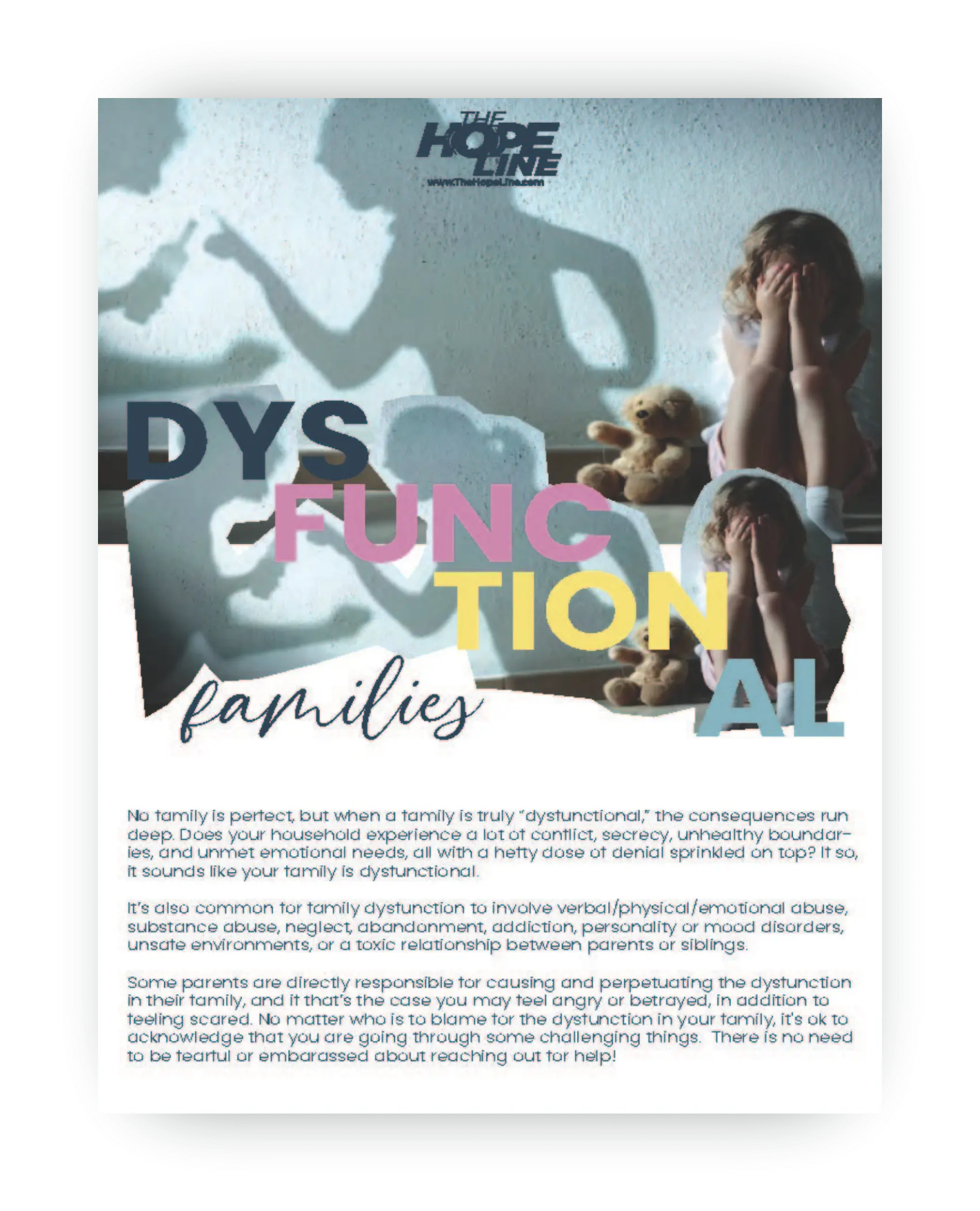
An absent father isn’t only a dad who physically left. He might have been around but emotionally checked out — there for meals but not for you, present in the house but absent in the ways that actually matter. He might have been gone to work, addiction, another family, prison, or simply his own distance. “Absence” shows up in a lot of forms, and all of them can leave a real gap.
That gap is sometimes called a “father wound,” and it’s worth taking seriously rather than brushing off with “it’s fine, I turned out okay.” A father is often a child’s first picture of safety, identity, and how love is supposed to work. When that picture is missing or broken, it can quietly affect how you see yourself and what you expect from others — long after childhood.

So many people carry a father-shaped gap and assume they’re the only one. They’re not. Whatever your dad did or didn’t give you, it doesn’t define your value or your future — and you can heal, especially with support from people who understand.
There’s also a deeper comfort here, especially if the word “father” brings up pain. The God of the Bible describes himself as “a father to the fatherless” (Psalm 68:5) — not a distant, disappointed figure, but a present, protective, dependable one who steps into exactly the gap you’ve felt. For a lot of people who grew up without a dad, that’s been a healing they didn’t expect: discovering a Father who never leaves and was never going to. You don’t have to sort out all your feelings about that to be curious about it.
You were always worth showing up for — and you don’t have to walk this out alone.
These are some of the most common questions people have about father wounds. If you have more questions, please feel free to reach out to a Hope Coach.