ABUSE

How do I know if I’m being abused?

If part of you is asking this question, that part deserves to be heard. What’s happening to you matters — and there are people ready to help, right now.
THE BASICS

What is abuse really?

Abuse is a pattern of behavior used to gain power and control over another person. It can be physical, emotional, verbal, sexual, financial, or digital — and it often shows up as a mix. The common thread is harm: someone repeatedly hurts, frightens, controls, or demeans you, whether through their fists, their words, or their grip on your choices.

Abuse is confusing on purpose. Abusers often mix cruelty with affection, blame with apology, so you end up doubting yourself and wondering if it’s really “that bad.” Here’s a clarifying truth: you should not have to feel afraid, controlled, or worthless in a relationship that’s supposed to be safe. If you do, your instincts are worth listening to.
What does abuse feel like?
Abuse doesn’t always leave visible marks. Often the clearest signs are how you feel and how you’ve started to change. You might recognize:
Feeling isolated from friends and family who used to be close
Being put down, blamed, or made to feel like everything is your fault
Being controlled — who you see, where you go, what you wear, how you spend money
Being hurt physically, or threatened, even “jokingly”
Being pressured or forced into anything sexual
Apologizing constantly, or making excuses for how they treat you
You don’t need every sign on this list for it to be abuse. If you recognize even a few, please know it’s worth talking to someone you trust — your safety matters.
Why does this happen?
It can’t be said clearly enough: abuse is never the victim’s fault. Not because of what you said, wore, did, or didn’t do. Abuse is a choice the abuser makes, and the responsibility sits entirely with them.

Abusers often come from their own histories of harm, carry deep insecurity, or have learned that control is how you get what you want — but none of that excuses it, and none of it is yours to fix. People who abuse rarely change without serious accountability and help, which is why “if I just love them better” almost never works. Understanding this matters because abuse thrives on the lie that you caused it and you can cure it. You didn’t, and you can’t. What you can do is get yourself safe and supported.
Want to talk it through?
A Hope Coach is here right now - free, 24/7, no judgment
You're not alone in this

If you’re being abused, please hear this: you deserve to be safe, you are not what they say you are, and there are people who will help you without judgment. You don’t have to figure out the whole way forward right now — the next step can simply be telling one safe person. A Hope Coach can listen and help you think through what’s safe for you. If you’re ever in immediate danger, please reach out to emergency services or a domestic violence hotline.

And if part of you has wondered where God is in this: he is not on the side of the person hurting you. The Bible is fierce about this — God is “a refuge for the oppressed, a stronghold in times of trouble” (Psalm 9:9). He grieves what’s being done to you, he is near to you in it, and his heart is for your protection and your healing. Faith never requires you to stay in harm’s way or pretend everything is fine. You are precious to him, exactly as you are.

You don’t have to carry this secret alone. Help is real, and it’s here.

FAQ

Frequently asked questions about abuse

These are some of the most common questions people have about abuse. If you have more questions, please feel free to reach out to a Hope Coach.

How do I know if I’m really being abused?
If you feel afraid, controlled, demeaned, or unsafe with someone on a recurring basis, those are serious warning signs — even without physical violence. Abuse is about a pattern of power and control. If you’re questioning it, that’s reason enough to talk to someone you trust.
Is the abuse my fault?
No. Never. Abuse is always the choice and responsibility of the person doing it, regardless of what you said or did. Abusers often work hard to make you believe you caused it — that’s part of the control, and it isn’t true.
What are the different types of abuse?
Abuse can be physical, emotional or verbal, sexual, financial (controlling your money), or digital (monitoring and controlling you online). Many abusive situations involve more than one type at once. All of them are serious.
What should I do if I think I’m being abused?
Tell someone safe — a trusted friend, family member, counselor, or a Hope Coach. If you’re in immediate danger, contact emergency services or a domestic violence hotline. You don’t have to have a full plan; the first step is just not being alone with it.
Does God want me to stay in an abusive relationship?
No. God’s heart is for your safety and dignity, and he is fiercely against those who harm the vulnerable. Faith never requires you to endure abuse or stay silent about it. Seeking safety and help is not a failure of faith — it honors the worth God placed in you.

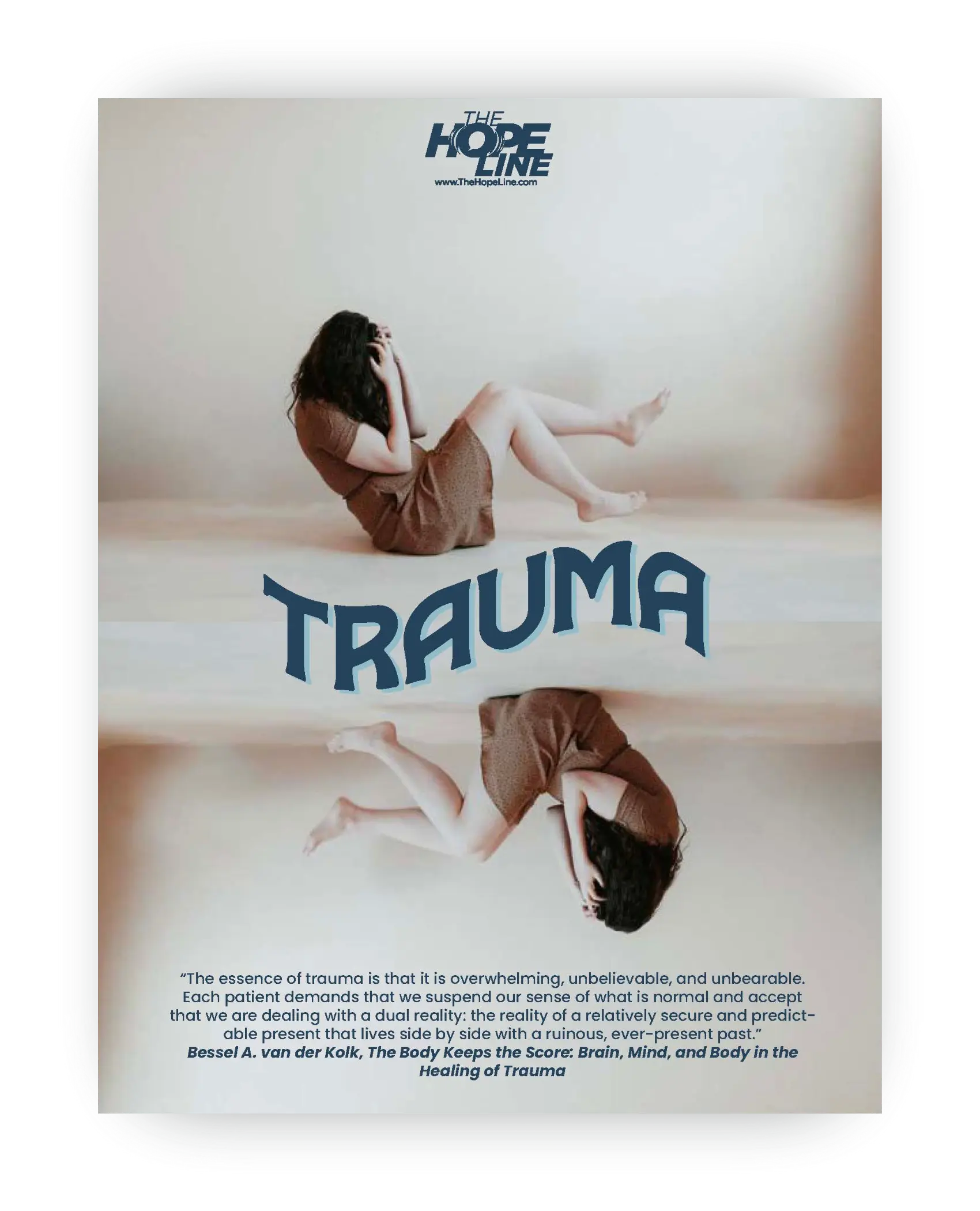
Take this with you.

What happened to you matters, and the way it still affects you isn’t weakness. This free guide will help you understand trauma’s impact and the path toward healing.
RESOURCES FOR YOU

More to explore

Helpful articles, resources, guides, and related topics.
hands praying over a bible

Rage At God

“My rage at God had manifested itself in my everyday life.” Depression. Anxiety. PTSD. Bipolar. All terms I have heard…
Read more

Tired of The Problem?

Try the Solution.

Privacy Policy / Terms of Use
© 2026 TheHopeLine, Inc. Registered 501(c)(3). EIN: 20-1198064